Rubber flooring reduces impact and noise while providing a durable, non-slip surface.
Thickness selection depends on equipment loads and usage patterns.

Indoor Surface
Durable rubber systems for training zones, weight areas, and multipurpose indoor sports spaces.
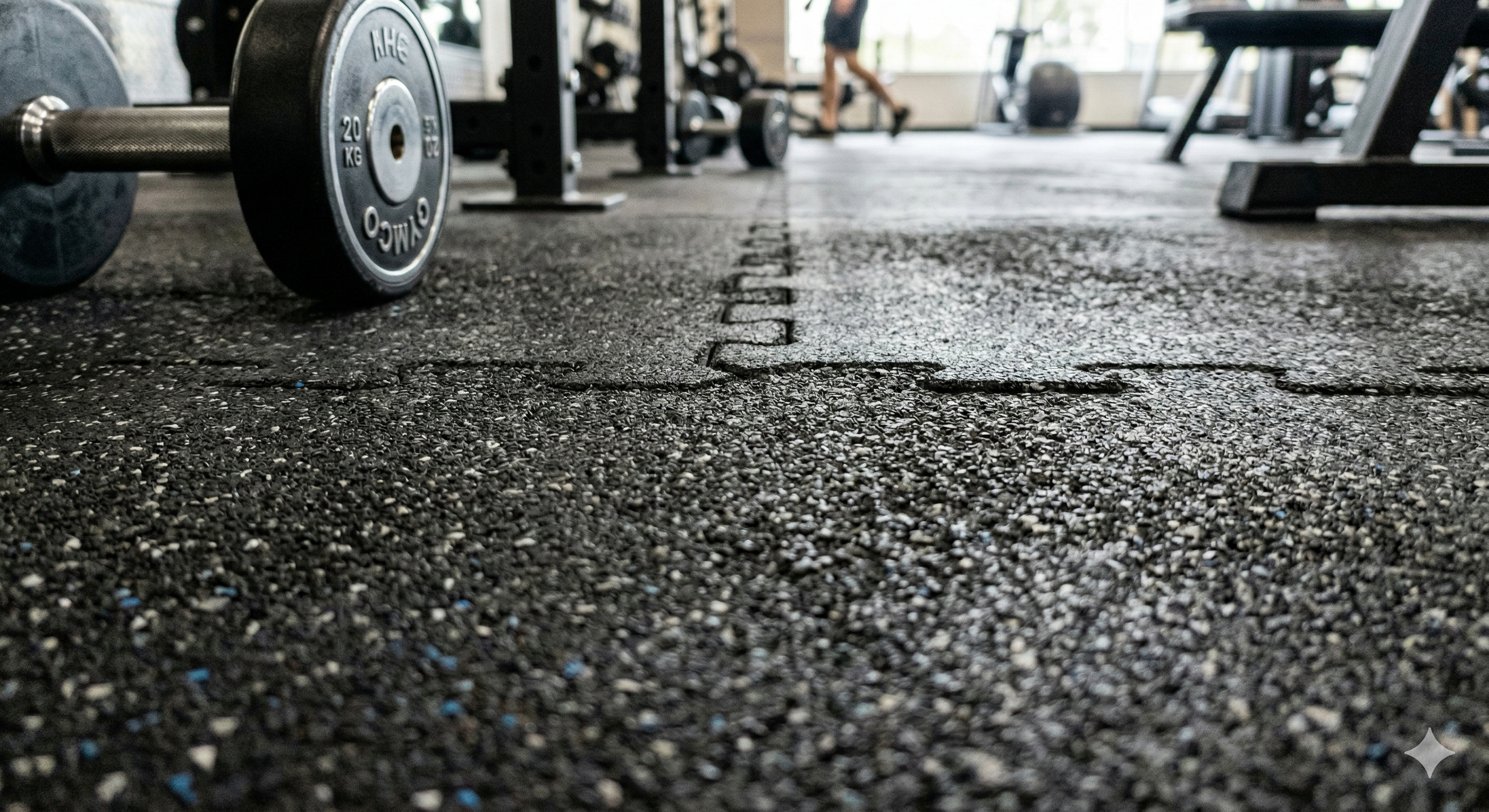
Rubber sports flooring is the go-to surface for gymnasiums, weight rooms, multipurpose exercise studios, and outdoor fitness areas. It is available as interlocking tiles, rolled sheets, or custom poured rubber. The thickness varies from 6mm (light aerobics use) to 50mm+ (Olympic weightlifting platforms).
Rubber flooring's combination of properties makes it ideal for high-impact sports environments: it absorbs dropped weight impacts, provides anti-slip traction for all types of footwear, is easy to clean, and is extremely durable. It can handle the heaviest gym equipment without damage to the floor beneath.
In India, rubber gym flooring demand has grown rapidly with the explosion in commercial gyms, hotel fitness centres, school gymnasiums, and corporate wellness facilities. Durosport supplies and installs premium rubber flooring for all these applications, including custom EPDM colour top layers for premium aesthetics.
| Parameter | Detail |
|---|---|
| Material | Vulcanised SBR rubber base with EPDM colour top layer |
| Formats | Interlocking tiles (50cm × 50cm or 1m × 1m); rolls (1–1.5m wide) |
| Thickness Options | 6–8mm (cardio/aerobics), 10–15mm (gym floor), 20–25mm (weights zone), 40–50mm (lifting platform) |
| Lifespan | 15–20 years in standard gym use |
| India Cost Range | ₹350 – 1,200/sqm installed depending on thickness and type |
| Top Colours | Black, grey, blue, green, red (EPDM fleck options) |
| Maintenance | Daily sweeping; damp mopping with neutral pH cleaner; no sealing required |
| Slip Resistance | R10–R11 rating — suitable for sports and gym use |
Rubber flooring reduces impact and noise while providing a durable, non-slip surface.
Thickness selection depends on equipment loads and usage patterns.
6–8mm is sufficient for cardio zones, yoga/stretch areas, and aerobics studios. 10–15mm for general gym floor (machines, functional training). 20–25mm for the free weights zone where plates and dumbbells may be dropped. 40–50mm for dedicated Olympic lifting or deadlift platforms. Never use thin rubber under heavy squat racks or weight stack machines.
Interlocking rubber tiles (50cm × 50cm or 1m × 1m) are easier to install, can be removed and replaced in damaged sections, and are ideal for most gym applications. Rubber rolls cover larger areas with fewer seams (which are tripping hazards in high-traffic areas) but require adhesive bonding and cannot be repositioned easily. For most gyms, tiles are the preferred option.
Installation over existing tile (ceramic/vitrified) is possible if the tile is firmly bonded and level. Over carpet is generally not recommended as the rubber tiles may shift and the soft base reduces the stability needed for heavy equipment. Stripping carpet and installing rubber over the concrete slab is always the preferred approach for a safe, stable gym floor.
Yes — rubber flooring provides meaningful noise and vibration isolation. A 15mm rubber floor can reduce impact noise transmission to floors below by 10–15 dB. For gyms in multi-storey buildings, 20–25mm rubber with a floating installation is recommended to minimise complaints from occupants below. Dedicated lifting platforms (40–50mm rubber) at the source of heaviest impacts provide additional isolation.
New rubber flooring, especially SBR-based products, has a strong rubber odour that typically dissipates within 2–4 weeks with good ventilation. During installation and the initial period, ensure maximum HVAC ventilation. Wiping the surface with a dilute white vinegar solution (1:10 in water) can help neutralise the odour faster. The smell is not harmful but can be unpleasant in enclosed spaces.
Tell us about your project and we will recommend the right surface and standards.
Request a call