Cushion layers reduce impact and improve comfort for long sessions. Layer thickness and composition influence play speed.
Systems are often paired with acrylic topcoats for consistent finish.

Outdoor Surface
Resilient under-layers used beneath hard courts to improve shock absorption and player comfort.
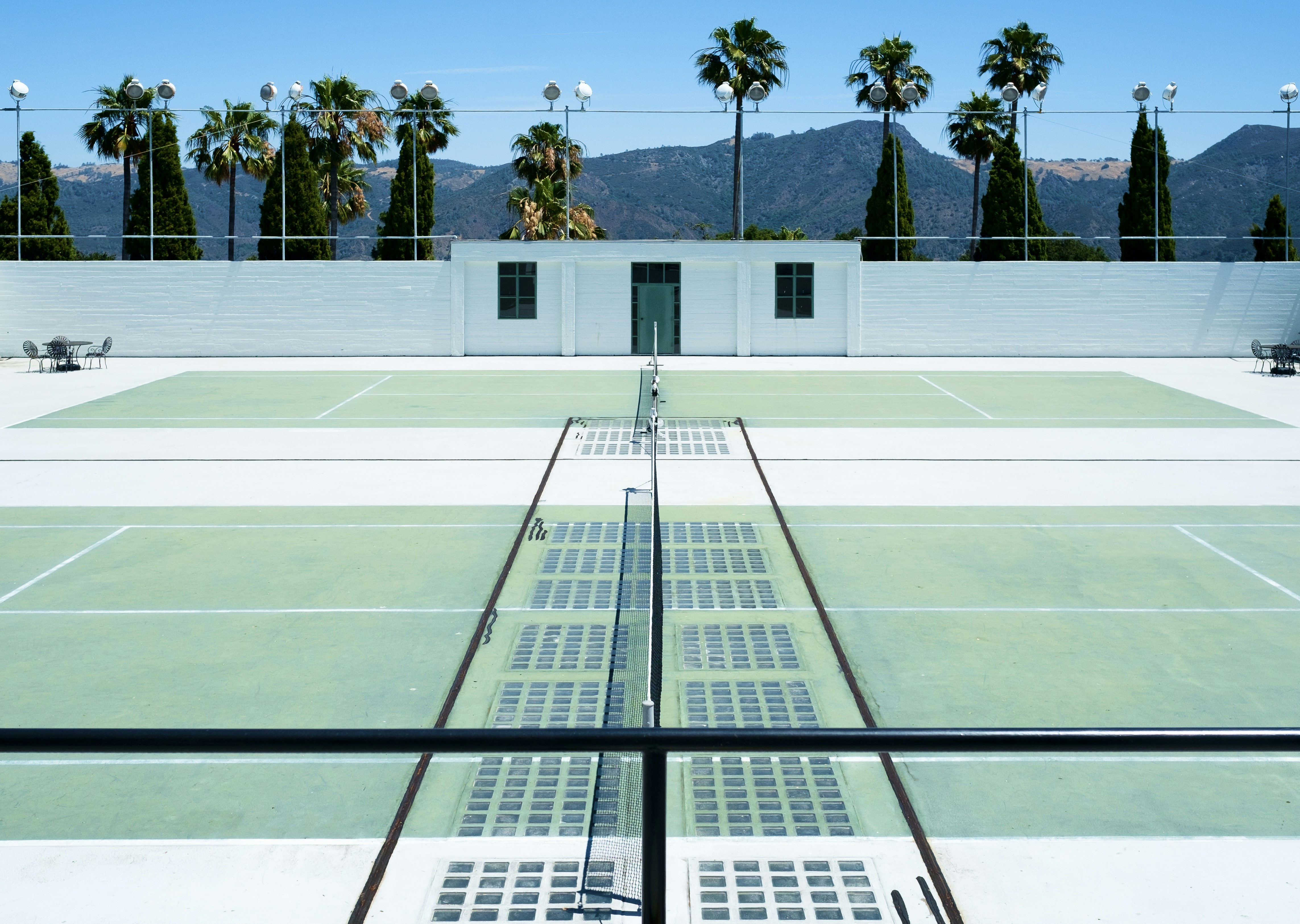
A cushion system or shock pad is the layer between a sports surface and its sub-base that provides the critical shock absorption needed to protect athletes from injury. In artificial turf systems, the shock pad sits between the compacted stone base and the turf; in indoor floors, it is the spring/resilient layer beneath the hardwood or PVC surface.
The performance of a cushion system is measured by its HIC (Head Impact Criterion) value and Gmax (maximum g-force deceleration) — the key metrics used by FIFA, World Rugby, and EN 1177 (play areas) to certify that a surface is safe. A shock pad can make the difference between a turf system that passes FIFA certification and one that doesn't.
Durosport supplies and installs all types of cushion systems — from FIFA-approved shock pads for artificial turf football pitches to EN 1177-tested rubber safety surfaces for children's play areas. Selecting the right cushion system for your intended sport and surface is a critical part of our design process.
| Parameter | Detail |
|---|---|
| Material Types | SBR rubber pad, recycled rubber foam, EPDM foam, polyethylene foam |
| Thickness Range | 10–40mm depending on sport and certification requirement |
| Key Test Standards | FIFA Quality Pro (football); World Rugby Preferred; EN 1177 (play); ASTM F355 (USA) |
| HIC Value | ≤1000 HIC (standard safety); ≤500 HIC (high-performance) |
| Lifespan | 10–20 years (embedded within turf system) |
| India Cost Range | ₹200 – 600/sqm installed (within turf system) |
| Sports Applications | Football, rugby, hockey, padel, athletics, play areas |
| Form | Rolls or sheets; perforated (for drainage); needle-punched |
Cushion layers reduce impact and improve comfort for long sessions. Layer thickness and composition influence play speed.
Systems are often paired with acrylic topcoats for consistent finish.
FIFA Quality Pro certification requires that the turf system (with its specific shock pad or infill) achieves HIC values within FIFA's specified range. Many FIFA-approved turf systems achieve this with SBR rubber infill alone (without a separate shock pad). However, for harder or less forgiving sub-bases (compacted asphalt), a separate shock pad is often recommended to ensure the system passes. Durosport advises based on your specific base specification.
HIC (Head Impact Criterion) is a measure of the energy absorbed during a head impact with the sports surface. A lower HIC value means more energy is absorbed and less is transmitted to the skull and brain. FIFA's specified HIC range for football turf is 200–1000 HIC. World Rugby's is 200–500 HIC. Surfaces that fail HIC testing are unsafe and cannot receive certification.
A shock pad beneath the turf system slightly reduces ball bounce height and alters ball roll consistency. FIFA carefully specifies the acceptable range for both vertical ball rebound (ball dropped from 2m) and ball roll. The shock pad specification must be calibrated with the turf specification to produce a combined system that meets all FIFA parameters simultaneously.
For indoor PU or PVC vinyl sports floors, the resilient backing layer within the product itself provides the shock absorption — a separate shock pad is not typically needed. For sprung wood floor systems, the rubber pads or springs between the structural layers serve the same function as a shock pad. The key is to select a floor system that meets the governing body's shock absorption specification for your sport.
No — shock pads must be installed before the turf, as they sit beneath the turf backing. If you wish to add a shock pad to an existing turf system, the turf must be lifted, the shock pad installed, and the turf re-laid. This is feasible but adds significant cost. It is far better to specify the shock pad at the original installation stage.
Tell us about your project and we will recommend the right surface and standards.
Request a call