Healthy turf depends on soil composition, irrigation, and drainage. The root zone is engineered for water movement and resilience.
Seasonal maintenance keeps coverage uniform and safe.

Outdoor Surface
Natural turf systems with engineered sub-base, irrigation and drainage for safe, high-performance play.
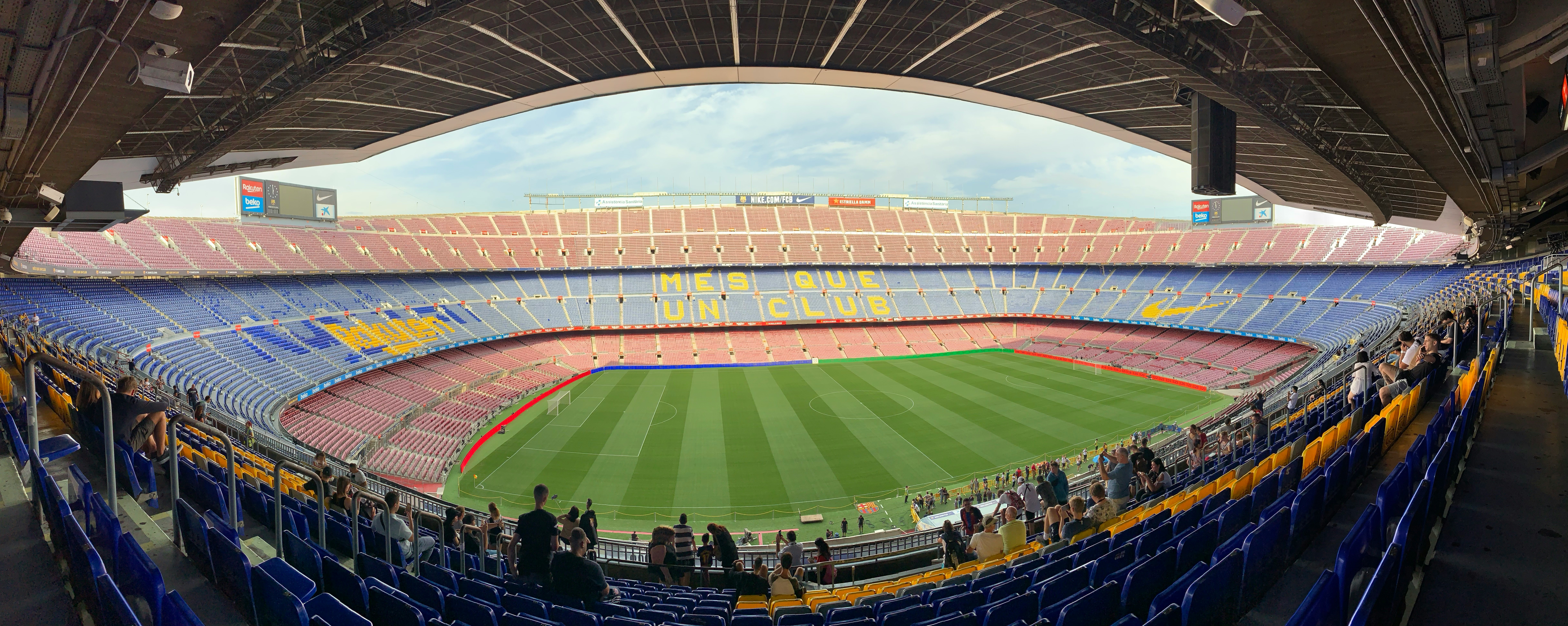
Natural grass remains the preferred surface for cricket (Test matches, first-class cricket), football (premier league stadiums), golf, and bowls. The feel, aesthetics, and tradition of natural grass cannot be fully replicated by any synthetic alternative. However, natural grass requires significant ongoing maintenance and is unsuitable for many Indian climates and usage intensities.
Turf management for natural grass sports facilities is a specialist science — involving soil analysis, grass species selection, irrigation system design, aeration, fertilisation, disease control, and mowing regimens. In India's climate, natural grass can be year-round in cooler highland regions (Bengaluru, Pune, Himachal, etc.) but struggles in high heat, coastal humidity, or sandy soils without significant investment.
Durosport provides natural grass establishment and turf management consultancy for cricket grounds, football fields, and institutional sports fields — coordinating soil preparation, grass seed or sod selection, irrigation installation, and ongoing maintenance programmes.
| Parameter | Detail |
|---|---|
| Grass Species | Bermuda (Cynodon dactylon) for India — fast-growing, heat-tolerant |
| Establishment Period | 8–16 weeks (seed); 2–4 weeks (sod) |
| Lifespan | Perennial with proper maintenance — indefinite |
| India Cost Range | ₹80–250/sqm (establishment); ₹40–120/sqm/year (maintenance) |
| Irrigation Required | Yes — 20–40mm water per week during growing season |
| Maintenance Intensity | High — daily/weekly mowing, monthly fertilisation, aeration, pest control |
| Certified Applications | BCCI (cricket), FIFA (football — stadium grass), golf associations |
| Rest Period | Turf needs 1–2 days recovery per week, more after heavy use |
Healthy turf depends on soil composition, irrigation, and drainage. The root zone is engineered for water movement and resilience.
Seasonal maintenance keeps coverage uniform and safe.
Bermuda grass (Cynodon dactylon) is the most widely used species for sports fields in India — it is heat-tolerant, fast-growing, and self-repairing. It goes dormant in winter in north India (Dec–Feb) when temperatures drop. For premium cricket pitches, a mixture of Bermuda with couch grass is used. Zoysia and seashore paspalum are alternatives for coastal and water-stressed locations.
A natural grass field in India requires 20–40mm of irrigation per week during the dry season (October–May). For a full cricket ground or football field (10,000+ sqm), this is significant water consumption. A well-designed drip or pop-up sprinkler system is essential. Water availability must be assessed before committing to natural grass.
Annual groundsmanship and maintenance costs for a natural grass cricket ground in India range from ₹8–25 Lakhs/year depending on location, staffing, water, and equipment. This includes mowing, fertilisation, aeration, pitch preparation, and irrigation costs. This is significantly higher than the maintenance cost of a synthetic surface.
Yes — many sports clubs and schools have transitioned from natural grass to artificial turf to reduce maintenance costs and increase utilisation. The natural grass and soil are stripped, a new sub-base is constructed, and the synthetic surface is laid. The investment in the new surface is typically recovered within 2–4 years through reduced maintenance costs and higher bookings.
A hybrid pitch combines natural grass with synthetic fibres that are stitched or woven into the soil layer. The synthetic fibres reinforce the grass root zone, allowing higher use intensity without divoting. Hybrid pitches are used in premier football stadiums (EPL, IPL grounds) and require the same maintenance as natural grass with slightly higher wear tolerance.
Tell us about your project and we will recommend the right surface and standards.
Request a call